

Where Architecture Finds Its Pulse in Nature
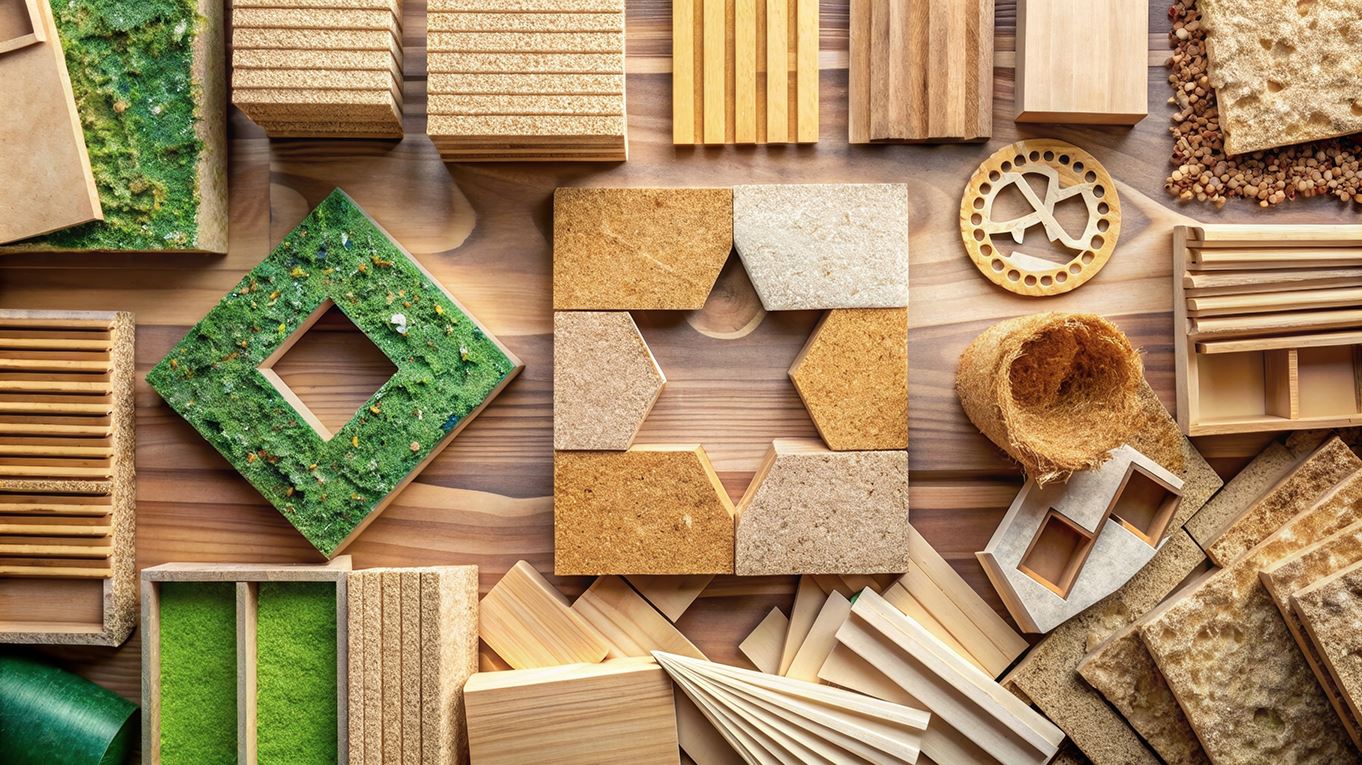
The Future of Architecture through Living Materials and the Science of Sustainable Creation
The Foundations of Renewal
Every civilization leaves behind its architecture, and within those remains lies the story of its relationship with the Earth. From temples carved in rock to steel cities that pierce the clouds, humanity has always built to last. Yet the irony is clear, our most durable structures have often been the least forgiving to the planet that supports them. Traditional construction relies heavily on concrete, steel, and glass, materials whose creation releases vast amounts of carbon dioxide and consumes enormous energy. Green construction materials represent a quiet revolution in how we imagine permanence. They invite us to build not against nature but with it. This emerging philosophy transforms architecture into a living dialogue between technology and ecology, proving that strength and sustainability can coexist. The walls of tomorrow will not simply stand; they will breathe, absorb, and regenerate, teaching us that true endurance lies in adaptability.
The Science Behind Living Materials
The frontier of sustainable construction is no longer about efficiency alone but about vitality. Scientists and engineers are developing living materials, composites that can grow, self-heal, and interact with their environment. Mycelium, the root network of fungi, has become a cornerstone of this movement. It grows naturally into dense, lightweight structures that can replace plastics, insulation, and even bricks. Bacterial concrete, infused with microorganisms that produce limestone when exposed to moisture, repairs its own cracks over time. Researchers are experimenting with algae-based panels that capture carbon dioxide while providing natural shade and oxygen release. These materials redefine architecture as an extension of biology. They bring life into spaces once thought inert, creating buildings that regulate temperature, clean the air, and repair themselves. The line between engineering and ecology blurs as structures evolve from static monuments into evolving systems capable of symbiotic function.
The Return of Natural Intelligence
Before industrialization, construction was guided by local materials and natural intelligence. Builders used stone, clay, and wood not because they were fashionable but because they were abundant, renewable, and suited to their climates. Modern sustainability reclaims that wisdom with the advantage of new science. Bamboo, for instance, grows faster than any other woody plant and possesses tensile strength comparable to steel. When treated and laminated, it forms beams and panels that rival conventional building materials. Rammed earth, once seen as primitive, now benefits from stabilizing techniques that make it weather resistant while maintaining low carbon impact. Recycled timber and hempcrete, a blend of hemp fibers and lime, offer lightweight, insulating alternatives to traditional walls. Even cork, long used for wine stoppers, is being rediscovered as an acoustic and thermal insulator. The genius of these materials lies not in invention but in rediscovery. They remind us that sustainability often means returning to what the Earth has already perfected.
The Circular Architecture of Tomorrow
The concept of circular design is transforming how structures are conceived, built, and dismantled. In this model, a building is not a permanent fixture but part of an ongoing cycle of use and reuse. Materials are designed for disassembly, ensuring that nothing ends up as waste. Steel beams, glass panels, and wooden frames are catalogued with digital identifiers that track their origin and condition, making it easier to repurpose them in future projects. Recycled aggregates from demolished structures replace virgin sand and gravel in new concrete mixes. Prefabrication and modular construction reduce waste by producing components precisely to specification. Architects are now designing “material banks,” where every element of a building is viewed as a future resource rather than debris. Circular architecture teaches that the end of one structure can mark the beginning of another. In embracing impermanence, humanity discovers continuity, creating cities that evolve as naturally as forests.
The Energy Within the Walls
Green construction materials extend their purpose beyond structure to energy performance. Buildings consume roughly 40 percent of global energy, making their efficiency central to sustainability. New materials are being engineered to store and regulate heat without reliance on mechanical systems. Phase-change composites absorb thermal energy during the day and release it at night, stabilizing indoor temperatures. Photovoltaic glass transforms sunlight into electricity while maintaining transparency. Paints infused with reflective pigments reduce the need for cooling, while porous pavements and green roofs moderate urban heat islands. Even bricks are being reinvented as energy generators, embedded with solar cells that capture and store power. These innovations merge physics with art, creating surfaces that not only shelter but sustain. The building becomes a living organism, one that captures energy, shares it, and maintains balance with its surroundings. The silent revolution of energy-aware materials proves that architecture’s true potential lies in harmony, not dominance.
Water, Air, and the Invisible Infrastructure
Modern construction often focuses on the visible, the walls, windows, and forms that define space. Yet the future of sustainability lies equally in what cannot be seen. Water retention systems embedded within building materials capture rain and humidity for reuse. Porous concrete allows groundwater to replenish rather than run off into drains. Indoor air purification is achieved through photocatalytic coatings that break down pollutants when exposed to light. Bio-based plasters made with lime and clay naturally regulate moisture while absorbing carbon dioxide over time. These hidden functions give architecture a second life beneath its surface. They turn passive materials into active participants in environmental restoration. Every wall becomes a filter, every roof a collector, every surface a participant in renewal. The invisible infrastructure of sustainable design reminds us that the beauty of a building lies not only in its form but in the unseen systems that sustain life around it.
The Human Element in Green Construction
No matter how advanced materials become, their success depends on the humans who build with them. The adoption of sustainable practices requires collaboration between architects, engineers, builders, and communities. Education is as critical as innovation. Training programs teach workers how to handle natural materials, minimize waste, and ensure safety while using new techniques. Policy also plays a decisive role. Governments that provide incentives for low-carbon construction accelerate progress and inspire confidence in emerging industries. Certification systems like LEED and BREEAM standardize sustainability metrics, rewarding transparency and accountability. Yet beyond bureaucracy lies craftsmanship, the art of building with empathy. Communities that construct their own homes using locally sourced, eco-friendly materials create structures that carry emotional as well as physical resilience. Sustainability, when grounded in people, becomes culture rather than regulation. It turns architecture into storytelling, where each wall speaks of shared responsibility and hope for generations yet to come.
The Aesthetic of the Living City
As green materials reshape the foundations of construction, they are also transforming the aesthetics of urban life. Cities built from renewable resources possess a warmth that glass and steel cannot replicate. Facades made from wood composites glow with organic tones that change with the light. Algae walls shimmer with soft greens that shift through the seasons, offering both energy generation and beauty. Streets paved with recycled stone carry the quiet dignity of history preserved. Architecture becomes not a display of power but an expression of coexistence. The emerging aesthetic of sustainability celebrates imperfection, the natural grain, the weathered surface, the marks of renewal. It teaches that elegance is found not in control but in connection. As cities evolve into living ecosystems, beauty and responsibility merge. The skyline becomes a reflection of harmony rather than conquest, and the art of building once again aligns with the art of belonging.
The Architecture of Renewal
To build sustainably is to accept that every structure is temporary yet meaningful. The future of construction will not be defined by skyscrapers alone but by how gently they touch the Earth. Green construction materials are teaching humanity that strength does not require destruction and that innovation can emerge from humility. Concrete that heals, glass that powers, wood that captures carbon, and soil that cools, each represents a step toward architecture that breathes with the planet rather than against it. GreenEconomy stands at the intersection of these ideas, chronicling the slow transformation of cities into living landscapes. The architecture of renewal is not a dream but a design philosophy grounded in science, art, and ethics. As we learn to build with the same grace that nature builds itself, every wall becomes a gesture of gratitude, and every foundation a promise to restore what has been taken. The world’s future cities will rise not in defiance of nature but in collaboration with it, built from the same quiet strength that has sustained life since the beginning.