

The Spark Beneath the Stone
The New Paths Toward a Regenerative Future in Resource Extraction and Material Renewal
The Hidden Cost of a Glittering World
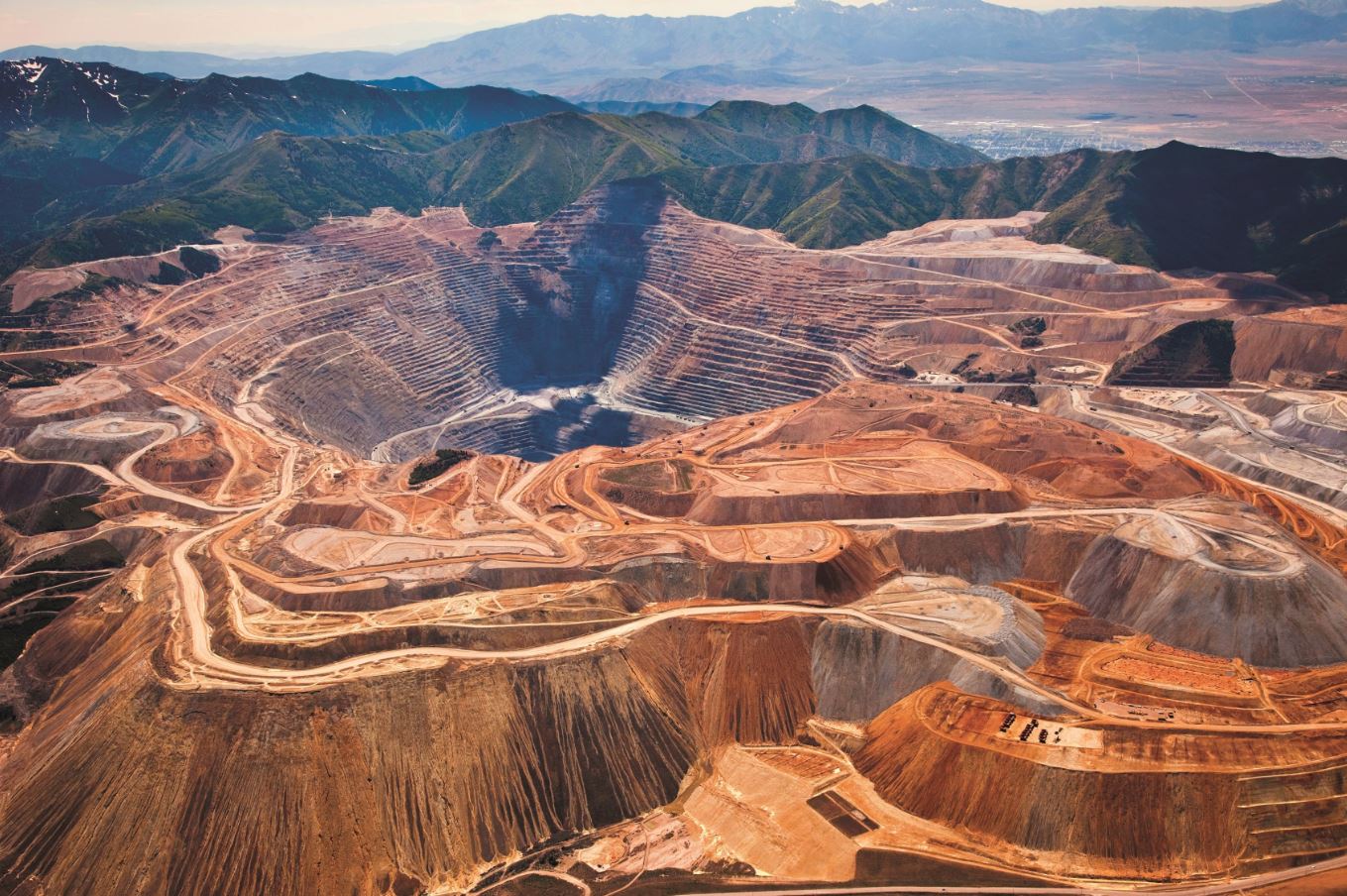
Every wire, circuit, and blade of technology owes its existence to the minerals beneath the Earth’s surface. Yet the brilliance of modern civilization hides the deep scars carved into mountains, valleys, and ecosystems by traditional mining practices. For centuries, extraction has meant destruction. The Earth’s crust has been treated as a vault to be emptied rather than a living structure to be respected. From the gold rushes that shaped early economies to the industrial scale operations of today, mining has left behind toxic tailings, poisoned rivers, and displaced communities. Sustainable mining alternatives seek to rewrite that legacy, shifting the purpose of extraction from exploitation to stewardship. The challenge is monumental, for the demand for metals continues to grow with renewable technologies themselves. Solar panels, wind turbines, and batteries require copper, lithium, and rare earth elements. The question is no longer whether humanity can live without mining, but how it can learn to mine without killing the planet that gave it everything.
Learning from the Earth’s Patience
The foundation of sustainable mining begins with observation rather than excavation. Nature mines continuously, though at scales and speeds far beyond human perception. Rivers carry minerals from stone to soil. Volcanoes redistribute elements in cycles of creation and destruction. Even bacteria perform biochemical mining, extracting metals from ore with precision that industry has only begun to imitate. Biomining takes inspiration from these microbial processes, using naturally occurring organisms to separate metals from rock without the use of harsh chemicals. This gentle approach reduces waste and avoids the acid drainage that has long plagued mining sites. Another emerging technique, bioleaching, relies on bacteria to dissolve and extract metals from low-grade ore that would otherwise be discarded. In these methods, time replaces violence. Patience replaces greed. The slow rhythm of life becomes the guide for sustainable extraction. By following the patterns of the planet’s own chemistry, humanity can begin to heal the very ground it once wounded.
The Rise of Circular Extraction
Traditional mining operates on a linear principle: extract, process, discard. Sustainable mining alternatives transform that model into a circle. Circular extraction focuses on reusing and recycling existing materials before turning to new sources. Urban mining, for instance, identifies the city as a hidden mine. Old electronics, appliances, and vehicles contain metals as valuable as any buried ore. With proper infrastructure, these materials can be recovered and reused with minimal environmental impact. Large-scale recycling programs already extract gold and copper from circuit boards, while aluminum and steel are melted down repeatedly without loss of quality. The circular model also encourages product design that prioritizes recovery. Devices can be built for easy disassembly, allowing their components to reenter the material cycle. This shift from destruction to circulation represents one of the most profound revolutions in industrial thought. The Earth does not waste, and neither should we. The mines of tomorrow may be built not beneath mountains but within the very artifacts of modernity.
Renewable Energy in Resource Harvesting
Mining is among the most energy-intensive activities on the planet. Heavy machinery, smelting, and transportation rely heavily on fossil fuels, producing massive emissions. The integration of renewable energy into mining operations marks a crucial step toward sustainability. Solar-powered drilling rigs, wind-driven processing plants, and hydrogen-fueled transport fleets are becoming realities in experimental sites across the globe. In Chile’s Atacama Desert, copper mines now operate partially on solar power, while regions in Canada and Australia integrate wind energy into extraction systems. The concept of the “green mine” is emerging, a facility that powers itself with the same clean technologies that depend on its resources. Some operations go further by reforesting land, managing water responsibly, and restoring ecosystems even before extraction ends. Renewable energy does more than reduce carbon footprints; it transforms mining culture. It suggests that even an industry once defined by depletion can become a contributor to regeneration when aligned with environmental intelligence.
The Ethics of Responsibility and Inclusion
Sustainability is not achieved through technology alone. It requires social renewal as much as ecological balance. The mining sector has often operated with disregard for human rights, exploiting labor, and marginalizing indigenous populations. Sustainable mining alternatives seek to reverse this pattern by centering ethics and community inclusion in every stage of development. Projects must begin with free, informed consent from affected communities, ensuring that their traditions and livelihoods are respected. Local partnerships enable fair profit distribution, allowing regions rich in resources to benefit from them without exploitation. Education programs provide new skills to workers transitioning from traditional mining roles to more sustainable practices. Gender equity is another dimension, as women increasingly take leadership roles in environmental management and corporate accountability. True sustainability means that both the land and the people who depend on it are empowered. The Earth’s resources are not the inheritance of corporations but the shared trust of all who live upon it.
The Science of Regenerative Extraction
While “sustainable mining” may sound like a contradiction, new scientific research suggests that extraction can be designed to actively restore ecosystems. Regenerative mining involves reusing waste, replenishing soils, and integrating ecological engineering into site planning. Geopolymers made from mining by-products can replace cement, reducing carbon emissions while repurposing industrial waste. Tailings, once toxic hazards, are being transformed into construction materials and mineral fertilizers. In some pilot projects, mine shafts have been converted into geothermal energy sources, providing clean power long after mineral extraction ceases. Scientists are experimenting with reforestation methods that use bioremediated soils, turning abandoned pits into wetlands that support biodiversity. The goal is to ensure that every ton of material extracted results in measurable ecological restoration. Mining becomes not a wound but a form of renewal, a deliberate act of returning balance to the Earth’s deep systems. Regenerative design challenges humanity to prove that even extraction can coexist with creation.
Digital Tools for a Transparent Future
The digital revolution offers unprecedented opportunities for accountability in resource industries. Blockchain technology, originally developed for cryptocurrency, now ensures transparency in supply chains. Each step of mineral extraction, from source to final product, can be tracked and verified. Consumers can know whether the gold in their jewelry or the lithium in their phone was obtained ethically. Artificial intelligence analyzes satellite imagery to detect illegal mining and monitor environmental compliance. Remote sensing measures air and water quality around active sites, providing real-time data for policy enforcement. Predictive analytics optimize logistics, reducing waste in transport and energy consumption. The intersection of digital and environmental intelligence represents a new era in mining management. Transparency becomes a safeguard against corruption, while open data fosters trust between companies, governments, and citizens. In this way, technology restores integrity to a sector long burdened by secrecy. The mine of the future will not hide beneath mountains but exist in full view of the world it serves.
The Economic Renewal of Resource Management
Global economies are entering an era where sustainability defines value. Investors, governments, and consumers increasingly favor industries that demonstrate responsibility and resilience. Sustainable mining alternatives create long-term financial stability by reducing risks associated with regulation, litigation, and resource depletion. Nations once dependent on raw extraction are diversifying into recycling, materials science, and renewable technology manufacturing. Small-scale cooperatives use local materials to create value-added products, retaining wealth within communities. International collaboration establishes environmental certification standards, ensuring that green resources meet both ethical and technical benchmarks. This new economic landscape rewards conservation rather than consumption. In a world where demand for minerals remains high, those who learn to extract responsibly will not only survive but lead. The transition to sustainable resource management thus becomes a story of reinvention. Profit and protection are no longer opposites. They are partners in the architecture of a future where the Earth’s wealth is measured by continuity, not depletion.
The Deep Renewal Beneath the Surface
Mining once symbolized the conquest of nature. Today it represents a test of humility. Humanity must prove that it can take from the Earth without erasing its vitality. Sustainable mining alternatives show that such harmony is possible. Through biomining, circular economies, renewable power, ethical governance, and technological transparency, the industry can evolve from extraction to collaboration. What lies beneath the surface is no longer just ore but the potential for transformation. The future belongs to societies that see the planet not as a warehouse of materials but as a living system to be nurtured. GreenEconomy stands witness to this awakening, a realization that every spark of metal, every grain of sand, and every drop of mineral water carries the memory of a planet that has always sought balance. In learning to mine with care, humanity rediscovers the quiet spark beneath the stone, the patient energy of a world that never truly stops giving when we finally learn to give back.