

The Balance Between Progress and Preservation
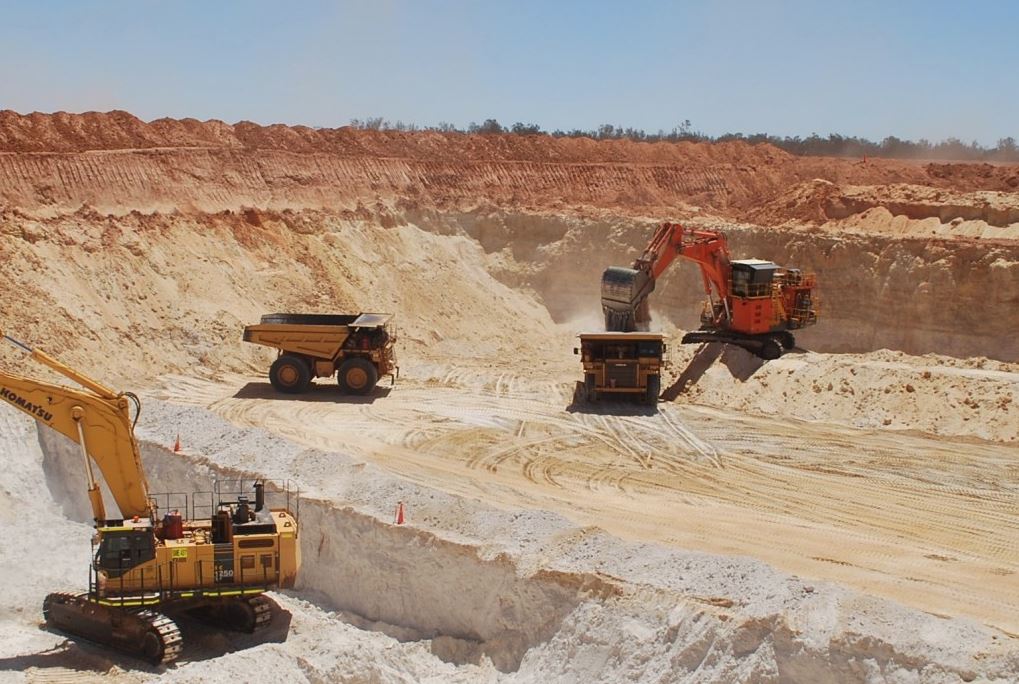
The Responsible Resource Management Is Reshaping the Foundations of Sustainability and Guiding Humanity Toward Equilibrium
The Concept of Responsibility in the Age of Scarcity
Human civilization has entered an era where abundance can no longer be taken for granted. Resources that once seemed endless, such as clean water, fertile soil, and breathable air, now carry the weight of scarcity. The modern age has revealed a simple truth: the Earth cannot endlessly provide without consequence. Responsible resource management begins with acknowledging this reality. It represents a conscious effort to measure human ambition against the limits of the planet. This philosophy calls for a balance between consumption and conservation, ensuring that every resource extracted, used, or transformed serves a purpose without compromising the needs of future generations. At its heart, responsibility is about mindfulness. It is the recognition that progress without restraint becomes destruction and that growth without ethics erodes its own foundation. To manage resources responsibly means to understand that every act of production and consumption connects to the stability of ecosystems and societies alike.
Tracing Humanity’s Path from Abundance to Awareness
The story of human development can be read as a gradual awakening to the fragility of nature. Early communities learned to live within the rhythms of their surroundings, cultivating crops, managing water, and respecting the cycles of regeneration. As industrialization expanded, however, the relationship between humanity and nature began to shift. Machines multiplied production, cities expanded, and consumption became a measure of success. Fossil fuels, minerals, and forests were exploited at an unprecedented scale, while waste piled up as a byproduct of progress. The twentieth century introduced not only rapid advancement but also the first signs of exhaustion. Rivers turned toxic, species vanished, and air thickened with pollutants. This was the turning point that transformed resource management from a technical discipline into a moral imperative. The realization that resources could be depleted forced a rethinking of economics, technology, and culture. Humanity’s greatest challenge became not the acquisition of resources, but their preservation and regeneration.
The Framework of Modern Resource Stewardship
Responsible management relies on structured frameworks that guide nations and industries toward sustainability. International agreements such as the United Nations’ Sustainable Development Goals provide a shared language for progress. Goal twelve, focused on responsible consumption and production, emphasizes efficiency, reduction of waste, and equitable distribution. Yet policies alone are not enough. The real transformation occurs when these principles are translated into systems that integrate environmental, social, and economic considerations. Life-cycle assessment, for instance, evaluates the impact of a product from its creation to disposal, revealing hidden costs that traditional accounting ignores. Corporate sustainability reporting adds transparency, allowing investors and citizens to measure accountability. The framework for stewardship also involves governance, where regulations must be complemented by education and innovation. A society that understands the value of its resources will naturally seek to protect them. Responsibility, therefore, is not imposed; it is cultivated through collective understanding and participation.
Water, Energy, and the Interconnected Web of Resources
Water and energy are inseparable pillars of responsible management. Every industry, from agriculture to manufacturing, depends on both. Water scarcity and energy demand form a feedback loop that defines the limits of growth. For example, energy is required to pump, treat, and distribute water, while water is essential for generating energy in hydroelectric plants and cooling systems. This interdependence calls for integrated management strategies that consider efficiency as a shared goal. Smart irrigation, wastewater recycling, and renewable energy adoption are not isolated innovations; they represent parts of a larger system that values optimization over exploitation. The concept of a circular resource economy grows from this same idea. Wastewater becomes a source of nutrients, organic waste becomes energy, and solar or wind power replaces the finite. Managing resources responsibly means designing systems where outputs feed back as inputs, closing the loops that have long remained open in human industry.
Innovation as the Engine of Sustainable Progress
Technology, when aligned with ecological ethics, becomes a tool for renewal rather than depletion. Responsible resource management thrives when innovation prioritizes longevity, efficiency, and transparency. Artificial intelligence can forecast consumption trends, allowing industries to optimize production while reducing waste. Blockchain systems track the origin of materials, ensuring ethical sourcing and discouraging exploitation. In construction, recycled concrete and bio-based materials replace high-emission alternatives. Agriculture benefits from precision farming, which uses satellite data to guide irrigation and fertilization, preventing overuse of water and chemicals. Yet, technology itself must be held accountable. The production of digital devices, renewable infrastructure, and batteries demands minerals and energy. Therefore, innovation must include responsibility from design to disposal. The success of sustainable progress lies not in invention alone but in intention, the deliberate effort to align creativity with conservation. When technology respects ecological boundaries, it becomes an ally rather than a threat to the planet’s stability.
The Economics of Responsible Consumption and Production
Economics has traditionally been driven by growth, often defined by the volume of production and consumption. Responsible resource management challenges this model by redefining value through efficiency and regeneration. The concept of a circular economy transforms the linear take-make-dispose model into a closed cycle where materials are reused and reimagined. Businesses now recognize that sustainability is not an expense but a competitive advantage. Companies that reduce waste and energy consumption not only protect the environment but also lower costs and build stronger brands. Extended Producer Responsibility laws push manufacturers to consider the entire life cycle of their products, encouraging design that minimizes waste. Financial markets also reward sustainability, as investors increasingly prioritize Environmental, Social, and Governance metrics. The shift toward responsible economics marks the evolution of capitalism into a more conscious system, one that measures wealth not by what is consumed, but by what is preserved and restored for future generations.
Community Participation and the Human Dimension of Management
At the center of every sustainability effort lies the human factor. Policies and technologies can only succeed when communities understand and embrace their purpose. Local engagement transforms abstract concepts into tangible results. When citizens participate in recycling programs, water conservation initiatives, or renewable energy cooperatives, they become co-managers of the planet’s resources. Indigenous communities, with centuries of knowledge about ecosystems and seasonal cycles, offer invaluable insight into sustainable practices. Responsible management acknowledges their role as stewards of land and biodiversity. Education is equally critical, bridging the gap between awareness and action. Schools that teach environmental responsibility cultivate citizens who make thoughtful choices as consumers and voters. Media campaigns and public dialogues help normalize responsible behavior, making conservation part of cultural identity rather than obligation. A sustainable society grows from the ground up, built upon trust, collaboration, and shared respect for the interconnectedness of all living systems.
Governance, Accountability, and the Role of Leadership
Effective resource management depends on leadership that values long-term well-being over short-term gains. Governments, corporations, and institutions bear the responsibility of setting the tone for ethical practice. Transparent reporting, data sharing, and measurable goals ensure that commitments are not empty promises. Strong governance creates the framework within which responsibility can thrive. However, leadership is not limited to authority; it also includes influence. A small enterprise adopting zero-waste principles or a city investing in renewable infrastructure can inspire global change. Collaboration across sectors bridges the gap between vision and execution. For instance, public-private partnerships in clean energy have accelerated the transition away from fossil fuels in multiple countries. Accountability ensures that progress remains consistent. Without mechanisms to measure and verify outcomes, sustainability risks becoming rhetoric. True leadership is measured by consistency, the ability to uphold environmental integrity even when economic or political pressures rise against it.
The Interplay Between Culture and Resource Wisdom
Culture shapes how societies perceive their relationship with the environment. In many ancient civilizations, natural resources were viewed as gifts, not commodities. Rivers, forests, and mountains carried spiritual significance, reminding people of their place within nature rather than above it. Modern culture, however, often celebrates consumption as a form of achievement. Responsible resource management seeks to reintroduce the idea of reverence. It invites art, storytelling, and education to rekindle emotional connections with the Earth. Cultural transformation does not occur overnight, but gradual shifts in awareness can redefine priorities. Minimalism, local production, and slow-living movements reflect growing discontent with excess. As environmental consciousness spreads, sustainability evolves from a technical field into a cultural identity. The wisdom of resource management lies in integrating ethics into daily life, making responsibility not an exception but an expectation. When culture embraces care as its foundation, every act of consumption becomes a conscious reflection of shared values.
The Future Written in the Language of Responsibility
The promise of responsible resource management lies in its simplicity: to live well without living wastefully. Humanity’s challenge is not the absence of resources but the absence of discipline. The path forward depends on collective vision and coordinated effort, where governments enact wise policies, industries adopt circular principles, and individuals cultivate mindful consumption. The future will belong to societies that understand the meaning of restraint as an expression of strength. Regenerative agriculture, renewable energy networks, and sustainable design represent the tangible outcomes of this philosophy. Each innovation becomes a bridge between necessity and creativity. The true measure of civilization will no longer rest on how much it extracts, but on how much it restores. The story of human progress is still being written, and responsibility is its defining theme. If the world learns to manage wisely, the Earth will not merely survive but flourish, carrying forward the shared legacy of balance and renewal for centuries to come.