

A Planet in Balance and the Species That Hold It Together
Understanding How Protecting Biodiversity Safeguards the Balance of Life, Climate, and the Future of Human Civilization
The Web of Life Beneath Our Feet
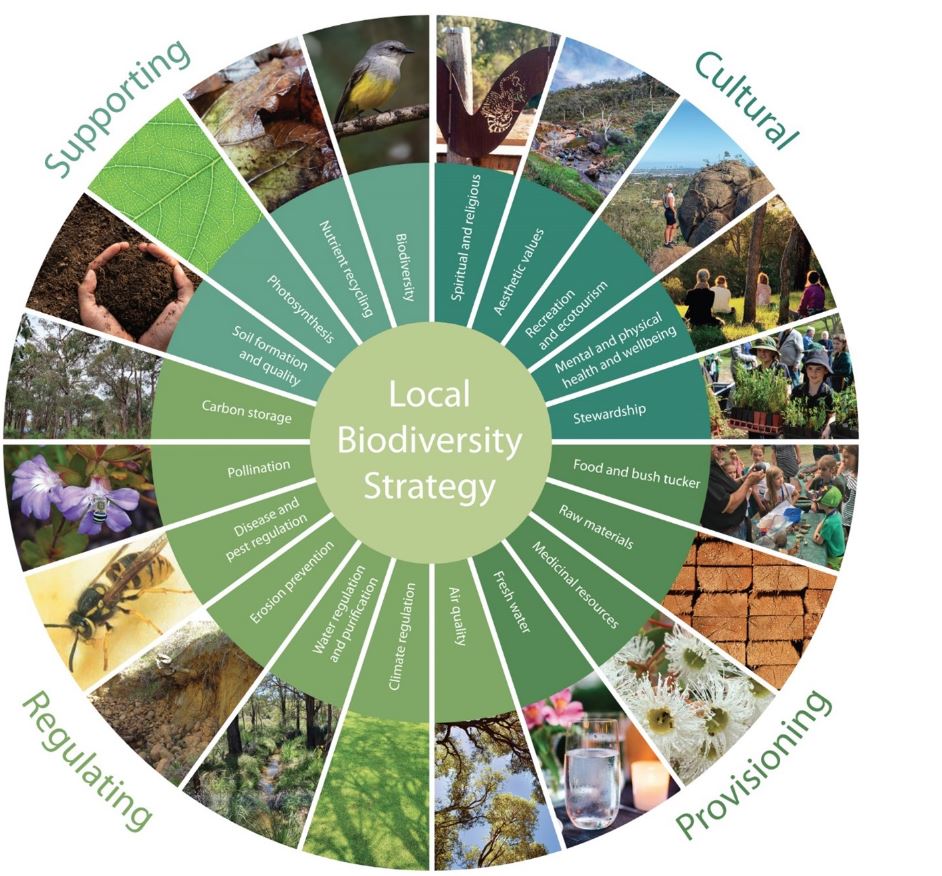
Every blade of grass, coral reef, and forest canopy tells a story of interdependence. Life on Earth exists as a web where each organism, no matter how small, contributes to the stability of the whole. This intricate network is what scientists call biodiversity, the total variety of species, genes, and ecosystems that give our planet its resilience. Yet, this balance is fragile. Habitat loss, pollution, overexploitation, and climate change unravel the web strand by strand, leading to what experts describe as the sixth mass extinction. The decline of biodiversity does not just silence the songs of birds or erase colors from coral reefs; it weakens the very systems that purify our air, filter our water, and regulate our climate. Protecting biodiversity is therefore not an act of sentimentality but of survival. It is the foundation of a stable Earth, a living insurance policy for humanity’s future.
The Ancient Roots of Coexistence
Long before industrial society, human cultures lived in direct dialogue with the natural world. Indigenous communities across continents understood that survival depended on reciprocity, not domination. Their systems of agriculture, hunting, and spiritual belief reflected deep respect for biodiversity. Forests were seen as relatives, rivers as teachers, and animals as kin. These philosophies represent some of the earliest forms of environmental stewardship, sustained not by legislation but by wisdom. In contrast, the modern era’s industrial expansion severed this connection, viewing nature as a commodity rather than a community. The result was unprecedented ecological degradation. However, the principles of coexistence still hold relevance today. Integrating indigenous knowledge with modern science creates holistic conservation strategies that recognize both ecological and cultural complexity. The revival of traditional ecological knowledge in policy and education reawakens humanity’s ancestral understanding that to harm biodiversity is to harm ourselves.
The Science of Diversity and Resilience
Biodiversity acts as the immune system of the planet. In ecosystems with high diversity, no single disturbance can cause collapse because functions are distributed across many species. A rainforest, for example, recycles carbon, nutrients, and moisture through countless interlinked processes involving trees, insects, fungi, and microbes. Remove enough species, and the system begins to fail. Modern science confirms that ecosystems rich in species recover faster from droughts, floods, and wildfires. Agricultural biodiversity offers similar protection; fields with mixed crops resist pests and diseases more effectively than monocultures. Genetic diversity within species, including crops and livestock, ensures adaptability to changing climates. These mechanisms illustrate that diversity is not a luxury, it is the architecture of stability. When humans simplify nature, we trade resilience for fragility. Protecting biodiversity therefore means protecting the capacity of life to endure uncertainty, adapt to change, and maintain equilibrium under stress.
Human Dependence on Natural Variety
Our dependence on biodiversity is invisible but constant. The air we breathe, the food we eat, and the medicines we rely upon all originate from natural ecosystems. More than half of modern pharmaceuticals are derived from compounds found in plants, fungi, and marine organisms. Bees and other pollinators contribute billions annually to global agriculture, while forests store vast quantities of carbon that stabilize the atmosphere. Yet these services often go unpriced and unnoticed until they disappear. The degradation of wetlands, for example, removes natural flood protection, leading to costly disasters. Overfishing collapses entire economies dependent on marine biodiversity. The loss of crop varieties reduces food security, making agriculture vulnerable to pests and climate extremes. Protecting biodiversity is thus an economic strategy as much as an ethical one. Every ecosystem is a living factory of renewal, and its collapse represents not only an ecological loss but an economic catastrophe for generations to come.
The Role of Protected Areas and Restoration
National parks, marine reserves, and wildlife corridors form the backbone of global conservation efforts. These areas safeguard ecosystems from overexploitation and provide safe havens for endangered species. However, protection alone is no longer enough. Many ecosystems are already damaged, requiring active restoration. Reforestation, wetland reconstruction, and coral reef rehabilitation have become critical tools in reversing biodiversity decline. Restoration is not merely about planting trees or restocking species; it is about reestablishing ecological processes and connectivity. For example, restoring predators such as wolves to Yellowstone National Park reshaped entire landscapes by controlling overgrazing and allowing vegetation to recover. Similarly, coral nurseries in tropical oceans regenerate reef structures that protect coastlines and marine life. The most successful restoration projects integrate science, community engagement, and long-term monitoring. Protecting and restoring biodiversity demands patience, creativity, and commitment, a recognition that healing the Earth is a continuous act of partnership, not conquest.
Policy and International Frameworks for Conservation
Global biodiversity protection relies on cooperation across borders. Treaties like the Convention on Biological Diversity, the Ramsar Convention on Wetlands, and the Convention on International Trade in Endangered Species establish frameworks that guide national action. These agreements aim to balance conservation with sustainable development, acknowledging that biodiversity loss is both an ecological and socioeconomic issue. Many nations now implement biodiversity strategies that include habitat preservation, species monitoring, and integration of ecosystem services into economic planning. However, implementation gaps remain. Funding shortages, political inertia, and conflicting interests often hinder progress. Strengthening environmental governance requires accountability, transparency, and public participation. The inclusion of biodiversity goals within the United Nations Sustainable Development Agenda reflects growing awareness that ecological health underpins human welfare. True progress will depend on whether policy moves beyond promises toward measurable results. Laws can protect species, but only collective will can protect the web of life that sustains us all.
Corporate Responsibility and the Green Economy
Businesses have begun to recognize that their survival depends on a stable environment. From agriculture to technology, industries rely on natural systems for raw materials, energy, and climate regulation. As consumer awareness grows, corporations are rethinking their relationship with biodiversity. Many adopt sustainability certifications, reduce plastic waste, and invest in habitat restoration. Financial institutions evaluate biodiversity risks in their lending and investment strategies, linking corporate success to environmental performance. The concept of natural capital has emerged as a framework for measuring ecological value within business operations. However, voluntary initiatives alone are not sufficient. Governments must establish clear incentives and regulations that reward conservation and penalize destruction. The transition to a green economy requires collaboration between policy, business, and science. When biodiversity becomes part of corporate accounting, markets begin to reflect ecological reality. Protecting the natural world is not anti-growth, it is the only path to sustainable prosperity.
Education, Culture, and the Human Imagination
Biodiversity protection depends as much on imagination as on policy. To care for the living world, people must first learn to see it. Education plays a vital role in cultivating ecological literacy, teaching students how every organism contributes to planetary stability. Environmental storytelling, art, and media reawaken empathy for nature, transforming facts into emotions and data into meaning. Cultural movements that celebrate local species and habitats strengthen identity and pride, turning conservation into a shared narrative rather than an abstract responsibility. Schools that integrate outdoor learning help students develop personal connections with ecosystems. Museums, documentaries, and citizen science projects bring biodiversity into urban life, bridging the gap between people and planet. The goal is not only awareness but belonging, a recognition that humanity is a participant, not a spectator, in the drama of life. Once this relationship is restored, protection follows naturally as an expression of gratitude and purpose.
Community Empowerment and Indigenous Leadership
The success of biodiversity protection often depends on those closest to the land. Indigenous and local communities manage vast territories rich in biodiversity, from Amazonian forests to Arctic tundras. Their stewardship is grounded in deep ecological understanding developed over centuries of observation. Empowering these communities through legal rights and resource access leads to better conservation outcomes than exclusionary approaches. Programs that recognize indigenous sovereignty and support co-management of protected areas demonstrate measurable benefits in species recovery and ecosystem stability. Community-led conservation blends cultural identity with ecological responsibility, creating models of sustainability rooted in place. In Kenya, community conservancies balance wildlife protection with pastoral livelihoods, while in the Philippines, ancestral domain management ensures both biodiversity and cultural survival. These stories reveal a universal truth: conservation thrives when people are not treated as outsiders but as partners. Protecting biodiversity is not about control, it is about coexistence guided by respect and inclusion.
The Future of Life and the Promise of Renewal
The protection of biodiversity is ultimately a choice between continuation and collapse. Every action that preserves life contributes to a future of resilience and abundance, while every neglect deepens fragility. Humanity stands at a threshold where technology, knowledge, and willpower can either accelerate destruction or enable renewal. The next century will test whether our species can evolve ethically as well as intellectually. A future defined by biodiversity protection envisions cities that breathe with green roofs, oceans teeming with fish, and forests alive with the sounds of returning species. It is a vision where conservation is not an isolated effort but a way of living woven into governance, economy, and culture. The task before us is not to save nature from humanity but to restore humanity within nature. The tapestry of life is frayed but not lost, and with care, humility, and persistence, its threads can once again hold the world together.