

Healing the Sea That Sustains Us All
Humanity’s Deepening Commitment to Restoring the Oceans Through Innovation, Compassion, and Collective Action
The Sea That Mirrors Our Choices
The ocean has always been both a giver and a mirror. It sustains life, moderates climate, and carries the story of the planet within its tides. Yet in the last century, it has come to reflect not only nature’s brilliance but human neglect. Millions of tons of plastic and waste swirl within its currents, forming gyres the size of countries. The ocean once symbolized mystery and infinity, but now it exposes the consequences of excess. As coastlines choke with debris, awareness has become responsibility. The call for ocean cleanup is not just a technical mission but a moral one, a recognition that what enters the sea eventually returns to us. From fishermen in Indonesia collecting ghost nets to engineers designing autonomous cleanup vessels, the world is beginning to remember that the ocean’s health and our own are indivisible. Every effort to cleanse its surface is an act of self-restoration, a quiet acknowledgment that healing the water means healing the reflection we see within it.
The Origins of a Global Movement
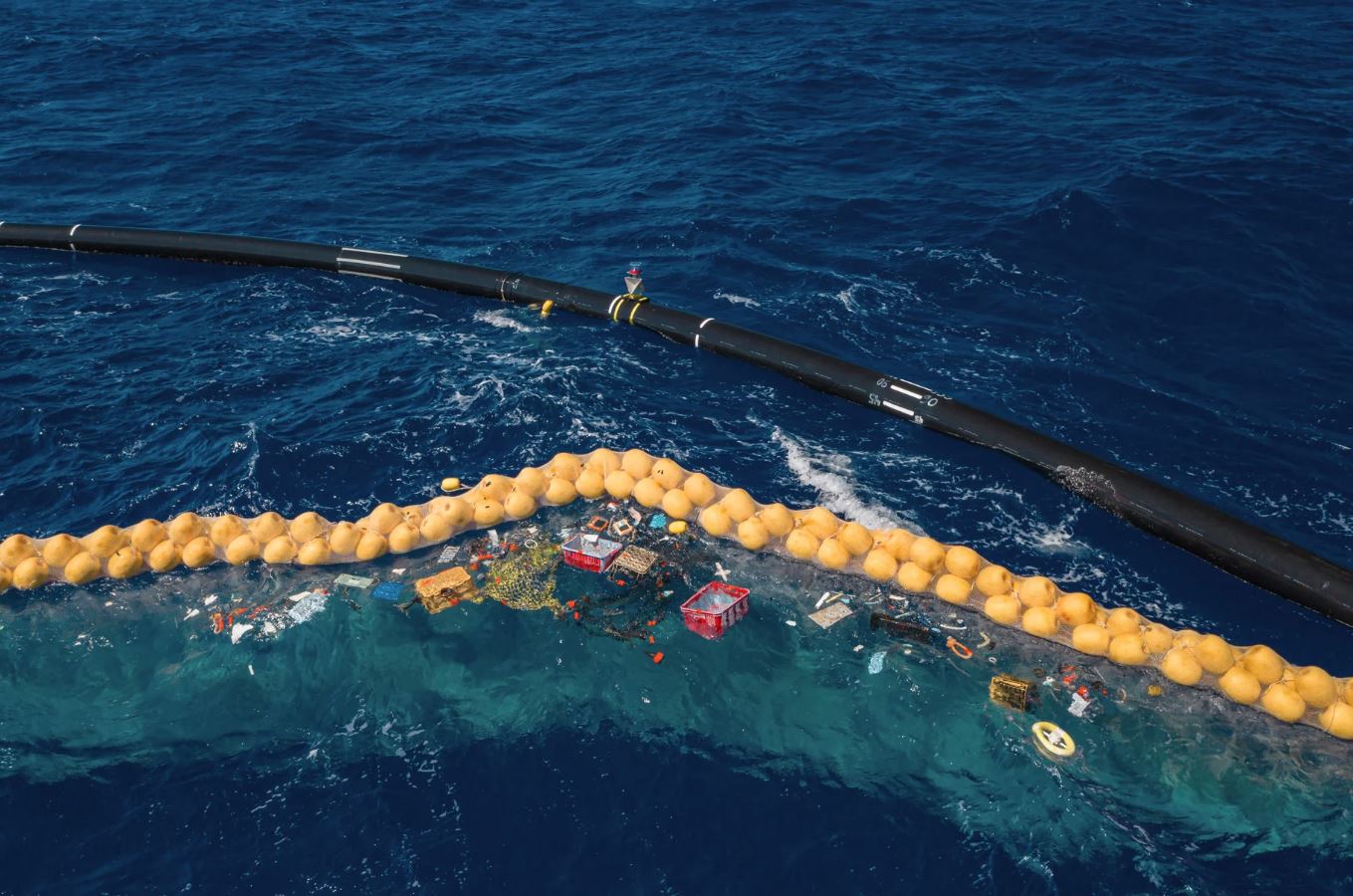
The story of ocean cleanup initiatives began not with governments or corporations, but with individuals who refused to accept the silence of polluted waters. In the late twentieth century, divers, sailors, and coastal residents began documenting the plastic tide invading even the most remote regions. Their images sparked outrage and curiosity, leading to the birth of grassroots projects that gathered momentum into global coalitions. Early initiatives relied on manual collection and community mobilization, proving that awareness could evolve into action. Later, technological ingenuity entered the narrative. Nonprofit organizations such as The Ocean Cleanup and 4Ocean introduced innovative systems that could capture waste before it spread across the sea. Their work turned despair into data, transforming scattered efforts into structured solutions. What began as a plea from environmentalists has become a movement spanning continents, industries, and ideologies. The origins of cleanup activism illustrate a truth often forgotten in modern progress: that even the largest waves begin as small ripples of conviction.
The Science Behind the Cleanup
Cleaning the ocean is not simply a matter of removing debris. It requires understanding how pollution moves, fragments, and hides within the marine environment. Scientists have mapped the ocean’s gyres, the swirling convergence zones where plastic accumulates due to circular currents. These regions, such as the Great Pacific Garbage Patch, contain millions of microplastics suspended in water rather than floating visibly on the surface. Cleanup technologies must therefore adapt to this invisible challenge. Engineers design passive systems that drift with currents, funneling plastic into collection barriers without harming marine life. Others deploy drones and satellite imaging to track waste distribution in real time. Coastal interceptors now sit at river mouths, preventing pollution from entering the sea in the first place. Each design reflects a synthesis of biology and mechanics, where the movements of fish inspire algorithms, and the flight of seabirds informs navigation. The science of cleanup is not conquest but choreography, learning to work with the water rather than against it.
The Role of Technology in Restoring Balance
Technology has become the most dynamic ally in ocean restoration. Autonomous vessels now patrol polluted zones, gathering data while collecting debris. Solar-powered barges process and compact waste directly on-site, minimizing emissions during transport. Robotic arms sort recyclable materials by density and texture, transforming chaos into order. Artificial intelligence predicts debris flow and helps deploy cleanup units strategically across affected regions. In deeper waters, submersible robots retrieve fishing nets that ensnare marine life and smother coral reefs. Even social media applications contribute by linking citizen scientists to global databases, enabling people to report waste sightings from any coastline. These innovations reveal a pattern of convergence, where ecology meets engineering, and compassion meets computation. Technology, once seen as a source of overconsumption, is now being repurposed as redemption. The success of cleanup initiatives depends not only on machines but on the ethical imagination behind them, on humanity’s ability to use invention for healing rather than harm.
The Economics of Blue Recovery
The ocean is both a victim and a foundation of the global economy. Its fisheries feed billions, its transport routes fuel commerce, and its ecosystems regulate weather patterns that sustain agriculture. Pollution undermines all of these systems, costing economies trillions in lost productivity and environmental damage. Yet within this crisis lies opportunity. Ocean cleanup has become a new frontier for sustainable business. Companies that once extracted from the sea are now investing in restoration. Startups transform recovered plastics into textiles, building materials, and packaging, creating circular economies where waste becomes raw resource. Governments offer green bonds to finance marine rehabilitation projects, while insurance firms recognize that protecting ecosystems reduces disaster risk. This emerging “blue economy” proves that ecological integrity and financial health are not opposites but partners. By assigning economic value to clean water, living reefs, and waste reduction, societies begin to internalize the true cost of pollution. The economics of blue recovery is a blueprint for how capitalism can evolve without contradiction, by learning to profit through preservation.
The Cultural Renewal of the Ocean Ethic
Throughout history, the sea has inspired art, mythology, and philosophy. Ancient cultures regarded it as sacred, a realm of both creation and mystery. Modern society, however, reduced it to a highway for trade and a dumping ground for convenience. The current wave of ocean activism is reviving the old reverence through contemporary forms. Filmmakers document the journey of cleanup crews as modern odysseys. Artists sculpt monuments from recycled marine plastic to remind cities of their dependency on distant shores. Indigenous communities contribute ancestral wisdom, teaching that stewardship begins with gratitude. Educational programs integrate ocean literacy into school curriculums, connecting children to the cycles of water that sustain them. This cultural reawakening transforms environmentalism into identity. The ocean ceases to be distant scenery and becomes personal heritage. Cleanup, in this sense, is not merely an environmental act but a cultural restoration. It reconnects humanity to the rhythm of tides, the pulse of renewal that defines life itself.
The Global Collaboration Beneath the Waves
No single nation owns the ocean, and no single effort can restore it. Cleanup initiatives thrive through cooperation that transcends borders. The United Nations’ Clean Seas campaign unites governments in reducing marine pollution through policy and education. Regional partnerships in Southeast Asia, the Mediterranean, and the Caribbean share technologies and coordinate waste interception. Corporations join these efforts through alliances committed to reducing packaging and investing in recycling infrastructure. Meanwhile, ordinary citizens participate through beach cleanups and data reporting, creating a decentralized network of global stewardship. This cooperation represents a shift from competition to communion, where success is measured not by territory but by transparency. Political divisions fade when confronted with the shared necessity of survival. The ocean connects continents through currents, and cleanup movements reflect that same connectivity. They remind us that humanity’s greatest challenges require not isolation but orchestration, a collective rhythm that mirrors the flow of the tides themselves.
The Future of a Cleaner Horizon
The vision of a clean ocean is no longer a distant dream but a reachable horizon. As technology advances, strategies expand from removal to prevention. Biodegradable materials are replacing plastics in global supply chains, while innovative packaging dissolves harmlessly in seawater. Sensors embedded in shipping routes monitor waste leakage, ensuring accountability across industries. Artificial reefs built from recycled materials restore marine biodiversity while sequestering carbon. Governments are integrating ocean health into climate policy, recognizing that clean seas regulate planetary balance. Yet the future depends not only on invention but on intention. Awareness must mature into habit, policy into permanence. The cleanup of the ocean is not an event but an era, a generational project that redefines what progress means. The horizon will remain clean only if humanity learns to see water as a living boundary that reflects both its ingenuity and its restraint. The next chapter of civilization will be written in waves, and its success measured by the clarity of the sea that surrounds it.
The Deep Breath of Renewal
When the tide retreats, it reveals not only shells and sand but the traces of humanity’s presence. To clean the ocean is to erase the evidence of forgetfulness, to restore the equilibrium that has always been the planet’s quiet promise. The sea does not hold grudges; it holds lessons. It teaches that everything discarded eventually returns, and that healing requires both patience and persistence. GreenEconomy envisions a future where cleanup is no longer a necessity because pollution has ceased to exist at its source. In that world, the ocean breathes freely again, carrying life rather than waste. The horizon glows with the reflection of a civilization that finally understands its place within nature rather than above it. The deep breath of renewal begins when humanity listens to the water, not as background noise, but as the pulse of everything alive. Within that rhythm lies the promise of balance restored, the quiet truth that even the most powerful tide begins with a single act of care.