

Designing the Future Around a Shifting Climate
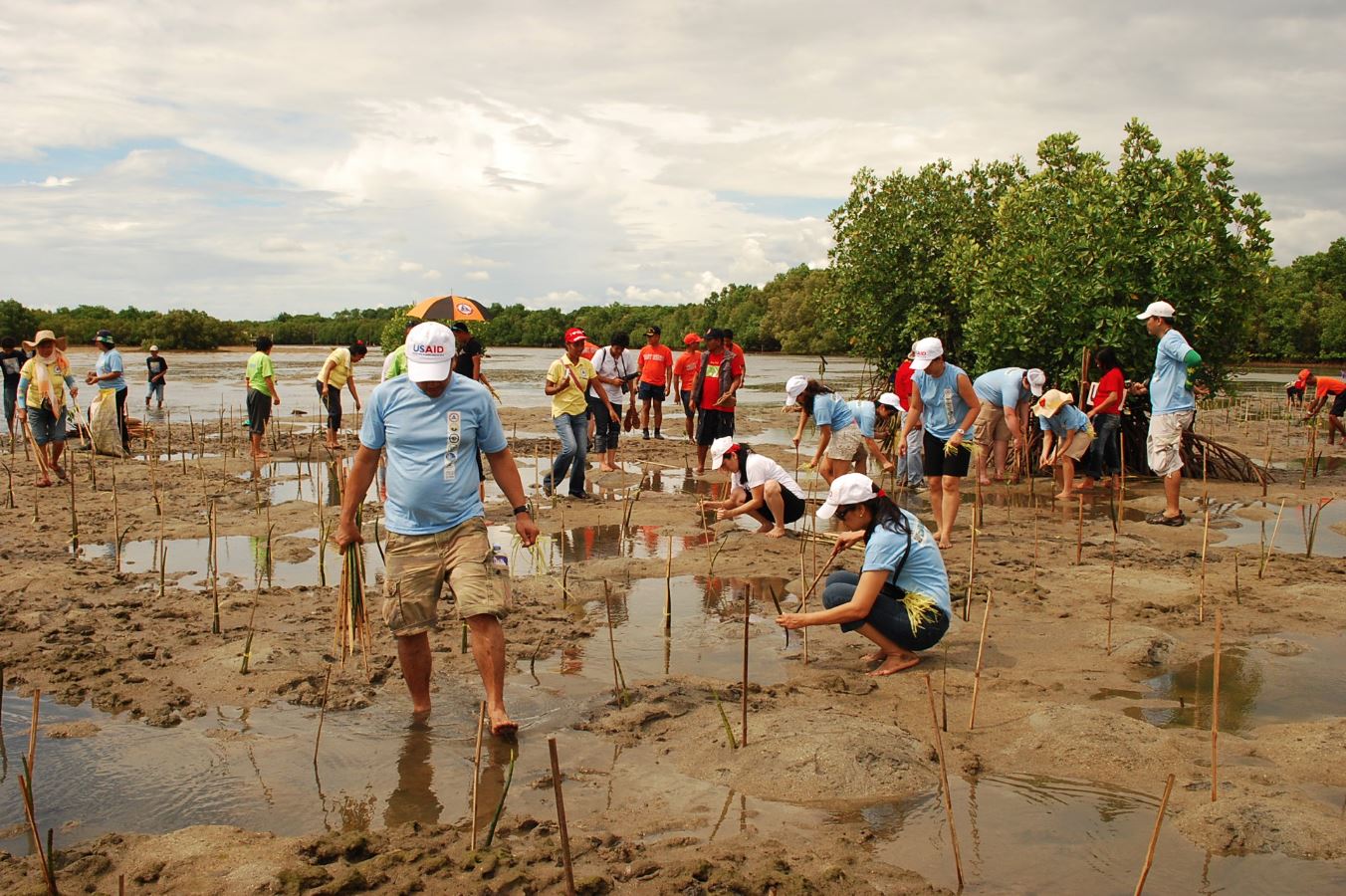
Humanity, Nature, and Innovation Evolve Together to Face the Realities of a Changing Climate
The New Landscape of Uncertainty
Once, the idea of climate change belonged to a realm of distant warnings. It lived in reports and forecasts, not in daily life. Today, the distance has collapsed. Heatwaves scorch continents, floods rewrite coastlines, and forests burn in places once known for rain. The rhythm of the planet has shifted, and with it, the comfort of predictability. Humanity must now move beyond mitigation alone and embrace adaptation as the essential counterpart to progress. Adaptation does not mean surrendering to fate but learning to thrive within change. It is an acknowledgment that permanence is an illusion and that life has always depended on movement, flexibility, and reinvention. The conversation surrounding adaptation is no longer about whether the climate is changing but how deeply we are willing to change with it. Each nation, city, and community faces the same question in a different form: can we transform disruption into design, and instability into innovation?
The Blueprint of Resilience
To adapt is to build continuity in an unpredictable world. Resilience is not about walls or resistance; it is about elasticity and renewal. In every corner of the globe, adaptation manifests differently. Coastal towns elevate homes on stilts to protect against tides that creep higher each year. In parched regions, farmers dig channels that collect every drop of rain, turning scarcity into stewardship. Governments are investing in climate forecasting systems that translate raw data into decisions, turning science into survival. But beyond infrastructure and engineering lies the invisible architecture of trust. A city that adapts must be cohesive, where communities cooperate and resources circulate fairly. When disaster strikes, recovery depends less on technology than on connection. The blueprint of resilience therefore blends social capital with physical design, creating societies that can absorb shocks without fragmenting. Adaptation becomes a shared language, written not in policies but in relationships that hold firm amid uncertainty.
The Redesign of Cities and Civilization
Urbanization has been both humanity’s triumph and its trial. Cities concentrate knowledge, innovation, and opportunity, yet they also concentrate heat, pollution, and risk. The new century demands a reinvention of the urban experience through adaptive design that harmonizes with nature rather than opposing it. Architects are constructing buildings with porous facades that regulate airflow naturally. Streets are lined with vegetation that filters toxins and reduces temperature. Parks double as flood basins, capturing runoff during heavy storms before returning to green tranquility. In Rotterdam, planners are creating floating neighborhoods that rise with the water instead of fighting it. In Mexico City, rainwater harvesting roofs supply entire districts. Digital mapping systems analyze heat islands in real time, guiding planting and shading efforts to reduce strain on public health. Adaptation in cities extends beyond engineering to psychology. Urban resilience means not only surviving climate extremes but maintaining a sense of belonging in their midst. When cities evolve as ecosystems, not fortresses, they model a new kind of civilization that grows stronger through change.
The Shifting Seasons of Agriculture
For thousands of years, farming relied on the stability of the seasons. That contract with nature is dissolving. Rain arrives out of rhythm, pests migrate across latitudes, and soil fertility declines under relentless heat. Yet the agricultural world is responding with ingenuity rooted in both science and tradition. Farmers in South Asia plant salt-tolerant rice varieties to survive coastal intrusion. In Africa, communities are reviving age-old intercropping systems that mimic the diversity of natural ecosystems. Technologies once reserved for industrial agriculture are now empowering smallholders: drones survey fields for moisture levels, while mobile networks deliver weather alerts in local dialects. Hydroponic and aeroponic systems allow food production in urban basements and deserts alike. Adaptation also requires changing consumption itself. Reducing food waste, promoting plant-based diets, and supporting regenerative farming reconnect people with the source of nourishment. Each innovation in the field, no matter how modest, adds to the collective resilience of humanity. Agriculture becomes not an industry of extraction but an act of partnership with the soil that sustains it.
The Water That Defines Tomorrow
Water is the axis of adaptation, the element through which all change flows. Too much or too little, its imbalance dictates survival. Floods erase decades of progress in hours, while droughts dismantle livelihoods silently over years. Across continents, communities are rediscovering the wisdom of coexistence with water. In the Netherlands, flood management has evolved into landscape art, where rivers are given room to expand rather than being forced into confinement. In Israel and Singapore, desalination and wastewater recycling provide reliable supplies even in arid climates. Rural regions embrace traditional systems such as stepwells, terraces, and small reservoirs that store monsoon rains for the dry months. Innovation now connects with ecology: wetlands restored near urban centers absorb floodwaters and purify runoff, creating sanctuaries for biodiversity. The adaptation of water systems reveals a moral dimension as well. The ethics of sharing water, between regions, industries, and generations, will define the politics of peace. The future will favor those who manage water not as a commodity but as a covenant with life itself.
The Human Dimension of Migration and Identity
As landscapes shift, so do the people who inhabit them. Climate migration has become one of the most visible consequences of environmental stress. Rising seas push coastal families inland, drought empties rural villages, and desertification redraws borders without diplomacy. Adaptation in this context demands compassion as much as logistics. Some governments are establishing relocation frameworks that protect cultural identity even as populations resettle. Urban centers prepare for influxes by expanding housing, education, and employment systems to integrate newcomers with dignity. Non-governmental organizations develop programs that help migrants build new livelihoods while maintaining ties to their heritage. Climate-related displacement is not solely a humanitarian issue, it is a cultural transformation. As people move, ideas, skills, and traditions move with them, creating hybrid communities that embody adaptation itself. In this mobility lies an opportunity to rewrite the meaning of belonging. The planet’s changing geography reminds humanity that home is not fixed by soil but by solidarity. Adapting together becomes the essence of global citizenship.
The Age of Technological Empathy
Innovation now stands at the intersection of urgency and ethics. Technology once fueled industrial expansion at nature’s expense, but today it offers instruments for regeneration. Artificial intelligence models climate risks with predictive precision, enabling planners to prepare for disasters before they strike. Renewable microgrids ensure that even isolated communities maintain energy access when central grids fail. Biodegradable materials replace plastics in packaging and construction. Sensors embedded in forests track moisture levels, preventing fires, while marine robots monitor coral bleaching and restore damaged reefs. Yet the most profound form of adaptation through technology comes from inclusivity. Solutions must serve the poorest as effectively as the wealthy. In Kenya, small solar pumps empower farmers to irrigate year-round. In Bangladesh, digital flood warnings save entire villages. Technology that listens to human needs instead of dictating them becomes a form of empathy in code. Its true power lies not in speed or profit but in sensitivity, the capacity to read the pulse of a planet under pressure and to respond with care rather than conquest.
The Politics of Shared Survival
Adaptation is inseparable from justice. The uneven burden of climate change reflects centuries of unequal development. Nations that contributed least to emissions often face the harshest consequences. The dialogue around adaptation is therefore a dialogue about fairness. Wealthy countries have pledged billions through climate funds to support vulnerable regions, but financial mechanisms alone cannot build trust. Real adaptation requires transparency, community leadership, and empowerment from the ground up. In small island nations, adaptation planning includes cultural preservation, ensuring that traditions are not lost with the land. In large economies, policy reform integrates environmental risk into trade and industry regulations. Global cooperation must shift from obligation to partnership, where resilience becomes a shared investment rather than a donation. Climate summits increasingly focus on knowledge exchange, recognizing that innovation thrives through diversity. The politics of adaptation demand humility, the acknowledgment that no nation can insulate itself from a global climate. The future depends not on competition for resources but collaboration for survival.
The Rhythm of Renewal
Adaptation is not an act of fear but of faith. It believes in the possibility that humanity can evolve as swiftly as the climate itself. In this evolution lies a new philosophy of living, one that values flexibility over dominance, empathy over efficiency, and balance over growth for its own sake. The Earth does not ask for perfection, only participation. Every effort to restore wetlands, redesign a city, or teach a child about sustainability is a gesture of alignment with the planet’s own regenerative rhythm. GreenEconomy envisions a world where adaptation is not a desperate reaction but a deliberate collaboration. It is the process through which humanity matures, recognizing that the future cannot be secured by resistance but by rhythm. The shape of survival is not linear or mechanical; it is fluid, creative, and alive. As people learn to build with the tides, plant with the seasons, and innovate with conscience, adaptation becomes the most human act of all. It transforms the story of climate change from tragedy into testament, a reminder that to change with the Earth is to endure with it.