

Currents of Clarity Rising with the Sun
Exploring the New Rhythms of Energy that Shape a Cleaner Planet
The Unseen Symphony of Transition
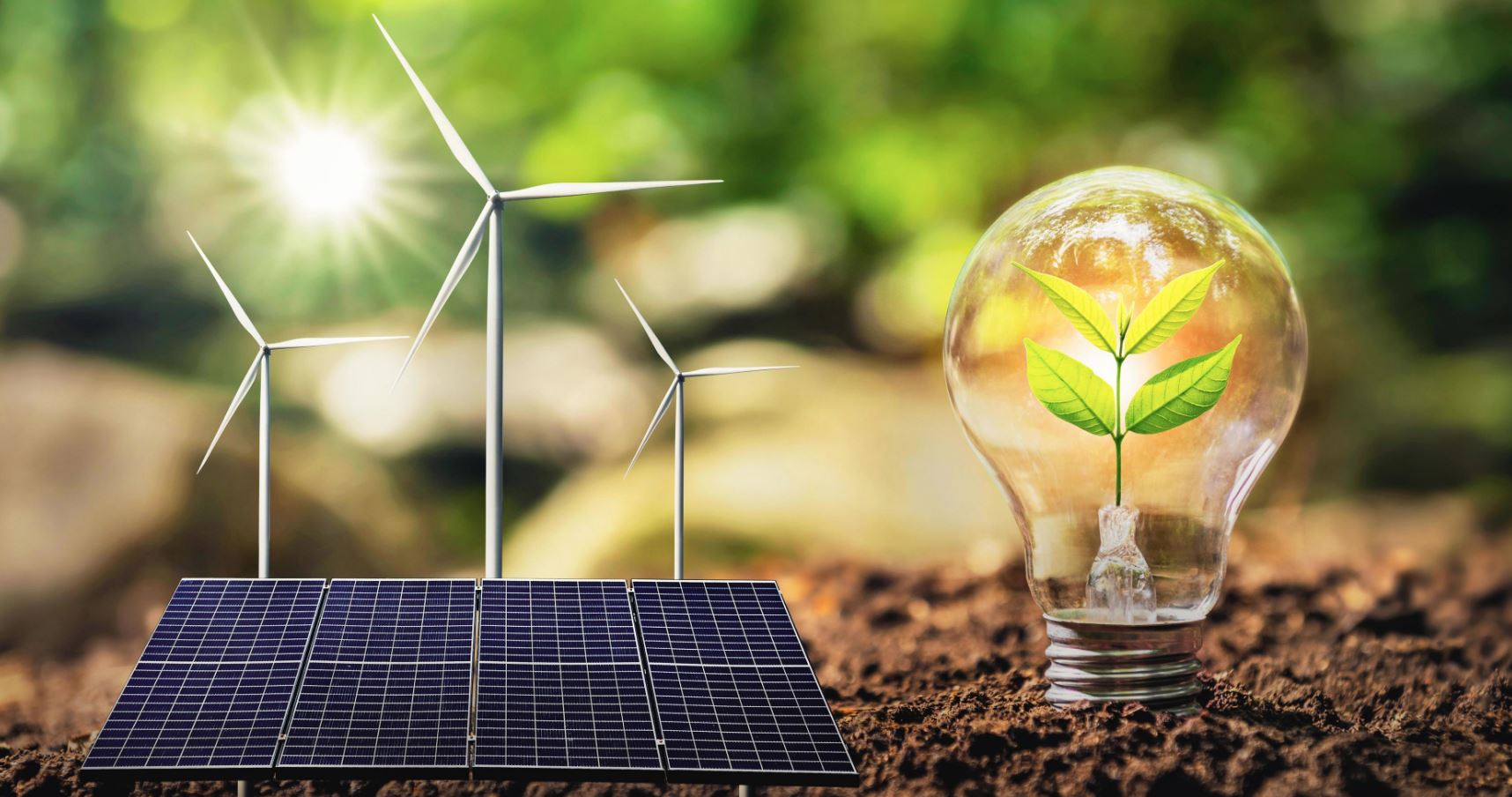
Across cities and valleys, an invisible movement hums beneath the surface of progress. Clean energy has evolved from an experimental ideal into the heartbeat of a new global rhythm, one that replaces extraction with regeneration and competition with cooperation. Wind turbines cast gentle shadows across once-idle plains, and solar arrays stretch like metallic meadows reflecting the dawn. These landscapes tell stories of quiet revolution. The hum of renewable systems is the soundtrack of a planet reclaiming equilibrium, a gentle reminder that innovation can be soft yet powerful. This transformation is not driven by spectacle but by persistence, a collective realization that the future must be built on care rather than consumption. Each spark of renewable power is a signature of change, proof that the human capacity for adaptation continues to outshine its appetite for destruction. The world’s energy transition is less a battle and more a graceful turning of the tide, guided by knowledge, ethics, and the memory of mistakes that can no longer be repeated. Clean energy, once a niche pursuit, now stands as civilization’s new center of gravity, balancing ambition with humility and redefining what progress truly means.
The Human Spark Behind Renewable Momentum
Behind every wind farm and solar field, there are people who believe in something larger than themselves. The engineers who fine-tune the tilt of a turbine blade, the local cooperatives that fund solar panels on rural schools, and the technicians who climb towers before sunrise all share the same pulse of purpose. Their work is practical, but their motivation is emotional. They understand that clean energy is not a machine but a movement. Across continents, small communities are achieving self-sufficiency through microgrids that bring light to places once ruled by darkness. Farmers install biogas systems that convert waste into warmth, and fishermen use solar-powered boats to protect fragile marine habitats. Each innovation, no matter how modest, reshapes the social landscape by connecting technology with dignity. Governments often follow the path carved by these pioneers, not the other way around. The human element remains the most dynamic source of power in the renewable revolution because it sustains hope even when policy falters. Clean energy thrives on collaboration, on stories shared between scientists and citizens, on the realization that progress only endures when everyone participates in shaping it. Humanity itself becomes the renewable resource that propels this journey forward.
Nature as an Engineer of Design
When scientists turn to nature for guidance, they discover a teacher of infinite patience and precision. Biomimicry, the practice of imitating biological processes, has quietly revolutionized clean technology. The veins of a leaf inspire the fluid patterns in solar cells, ensuring that light travels efficiently through microscopic channels. The structure of bird wings informs the aerodynamics of wind turbine blades, reducing drag and maximizing lift. Even the humble cactus has contributed insights into water retention systems for desert-based solar farms. This cross-pollination between ecology and engineering transforms the way we view invention. The line between organic and mechanical becomes porous, allowing human ingenuity to flow within natural wisdom. Such designs minimize waste not because efficiency is fashionable but because it mirrors how ecosystems thrive. Everything is used, nothing is lost. This principle redefines sustainability as more than restraint; it becomes creative participation within the planet’s own logic. The closer humanity studies nature, the more it realizes that sustainability is not a restriction on ambition but a refinement of purpose. Nature, after all, has already solved the problems we are only beginning to understand. The future of clean energy may not be found in laboratories alone but in the quiet intelligence of the world around us.
The Economics of the New Dawn
Markets once shaped by scarcity now revolve around abundance measured differently. The value of renewable energy lies not in what can be extracted but in what can be restored. Investors who once chased rapid returns are beginning to recognize that endurance yields greater profit. Green bonds and climate funds are not trends; they are frameworks that reward foresight. The economics of clean energy reveal that stability is the new form of wealth. As fossil fuels lose their dominance, countries once dependent on oil are reinventing themselves as innovation hubs. Job creation in renewables outpaces that of traditional energy sectors, and young professionals see purpose woven into their paychecks. The concept of economic growth is being rewritten, not as expansion without end but as evolution within limits. Efficiency replaces excess, and collaboration replaces isolation. Even multinational corporations now publish sustainability reports as part of their identity rather than a marketing obligation. The invisible hand of the market is learning to act with a conscience, guided by environmental metrics and consumer awareness. This new dawn of economics proves that ethics and enterprise can share the same table, that prosperity no longer needs to cost the planet its balance.
Urban Futures and the Architecture of Light
In the world’s growing cities, where concrete and steel often seem to suffocate the sky, a quieter architectural revolution is unfolding. Buildings are evolving into ecosystems that harvest their own energy, manage their waste, and even contribute oxygen through vertical gardens. Solar windows turn entire facades into sources of power while reflective coatings regulate indoor temperature without consuming electricity. Designers and city planners speak not of construction but of regeneration. Public transportation networks integrate renewable energy into their operations, and streetlights glow with the efficiency of motion sensors and solar cells. The line between infrastructure and environment softens until the two become inseparable. This architectural awakening teaches that beauty and responsibility can share a blueprint. Each structure becomes an expression of coexistence, a gesture of gratitude toward the land it occupies. Urban design is no longer about conquering nature but learning to coexist with it in harmony. Clean energy systems thread through these spaces like veins through living tissue, feeding them quietly yet constantly. The architecture of light is not metaphorical but literal, a city illuminated by its own conscience, where every beam of energy carries both illumination and meaning.
Technology Beyond the Power Source
The conversation about clean energy often focuses on generation, yet the unseen heroes of this revolution are the systems that manage and multiply its efficiency. Artificial intelligence predicts consumption patterns and aligns them with real-time production. Smart meters allow households to understand and reduce their energy footprint through data visualization that turns numbers into awareness. Battery technologies evolve rapidly, with new chemistries such as solid-state and sodium-ion reducing dependency on rare minerals. The rise of decentralized digital ledgers allows peer-to-peer energy trading, creating local economies of exchange that strengthen community independence. Meanwhile, research into fusion energy continues as humanity’s long-term promise of virtually limitless power. These advancements share a single ethos: precision. Every algorithm, circuit, and capacitor seeks not domination but balance. Technology becomes a bridge rather than a boundary, linking human desire for progress with planetary resilience. In this ecosystem, innovation is measured not by speed but by harmony. The brilliance of the clean energy era lies not only in producing light but in understanding how to share it wisely, ensuring that every invention extends life rather than exhausting it.
Communities as Guardians of Balance
Across the world, local communities are demonstrating that sustainability begins at home. Villages in Asia run entirely on solar microgrids, while towns in Europe operate cooperative wind farms that funnel profits back into social programs. In Africa, mobile payment systems allow residents to buy energy in small, affordable units, making renewable power accessible to even the most remote households. In each case, the principle remains the same: empowerment. When people participate directly in their energy systems, they become protectors of both their environment and their economy. Education plays a vital role, teaching children that light does not simply appear when a switch is pressed but comes from a carefully balanced network of natural and human effort. Community gardens, recycling initiatives, and public workshops strengthen the collective sense of stewardship. Faith groups and cultural organizations join the movement, framing sustainability as a moral duty rather than a policy preference. Governments learn that progress lasts longer when it grows from the ground up. In this way, clean energy becomes more than infrastructure; it becomes culture. The guardians of balance are not policymakers in distant offices but ordinary citizens who choose care as their everyday practice.
The Emotional Geography of Change
Every transition carries emotional weight, and the shift toward renewable energy is no exception. It asks individuals and industries alike to reimagine comfort, identity, and success. For workers leaving carbon-based industries, the change can feel uncertain, even painful. Yet with compassion and planning, these transitions evolve into opportunities rather than losses. Training programs teach new skills that connect past experience with future potential, transforming miners into solar technicians and factory workers into turbine engineers. Art, literature, and film play their part too, translating technical progress into human narrative. Music festivals powered entirely by renewables inspire joy, while documentaries reveal the triumphs and trials of communities reclaiming their air and water. Emotional engagement sustains motivation where statistics cannot. Change becomes personal, tangible, and worth defending. When people see the face of transformation in their own neighbors, the concept of sustainability stops being abstract and starts feeling inevitable. It becomes not just an environmental act but a cultural evolution, one that honors the emotions intertwined with adaptation. The geography of change is mapped not by borders but by the courage of individuals learning to let go of the old world while building the new one together.
A Vision Rooted in Continuity
Clean energy is not a temporary phase but the foundation of a civilization that understands its own limits and possibilities. It represents a collective maturity, a willingness to listen to the planet’s quiet instructions instead of shouting over them. Every watt harvested from sun or wind becomes a testament to patience and collaboration. The transition unfolding today will define centuries, shaping economies, cultures, and landscapes. It invites people to think not in fiscal quarters but in generations. GreenEconomy embodies this spirit by linking business with purpose and ambition with empathy. The future it envisions is not utopian but practical, built on transparent governance, innovative technology, and shared responsibility. In this framework, clean energy ceases to be a novelty and becomes the norm, the baseline for all human progress. The continuity of this vision depends on education, creativity, and trust, elements that can renew themselves endlessly. The story of energy is, in truth, the story of humanity learning to see itself as part of the ecosystem rather than its master. When the winds whisper across new fields and the sunlight glows on panels that power entire communities, we are reminded that the greatest source of energy has always been awareness itself. The rays of tomorrow are not distant promises but reflections of choices made today, brightening a planet ready to sustain both life and imagination in equal measure.